.svg)


Table of Contents
- Introduction
- Understanding QR Codes
- Pros of Using QR Codes for Marketing
- Cons of Using QR Codes for Marketing
- Best Practices for QR Code Marketing
- Implementation Steps
- Common Mistakes to Avoid
- Costs and Fees
- Alternatives to QR Code Marketing
- Key Takeaways
- Conclusion
- FAQs
Introduction
If you are exploring digital marketing strategies, understanding how to use QR codes for marketing is essential in 2026. QR codes have become a dynamic tool for connecting offline audiences with online content, offering seamless user experiences. This article will guide you through the advantages and disadvantages of QR code marketing, share best practices, and provide actionable insights to help you leverage this technology effectively.
Understanding QR Codes
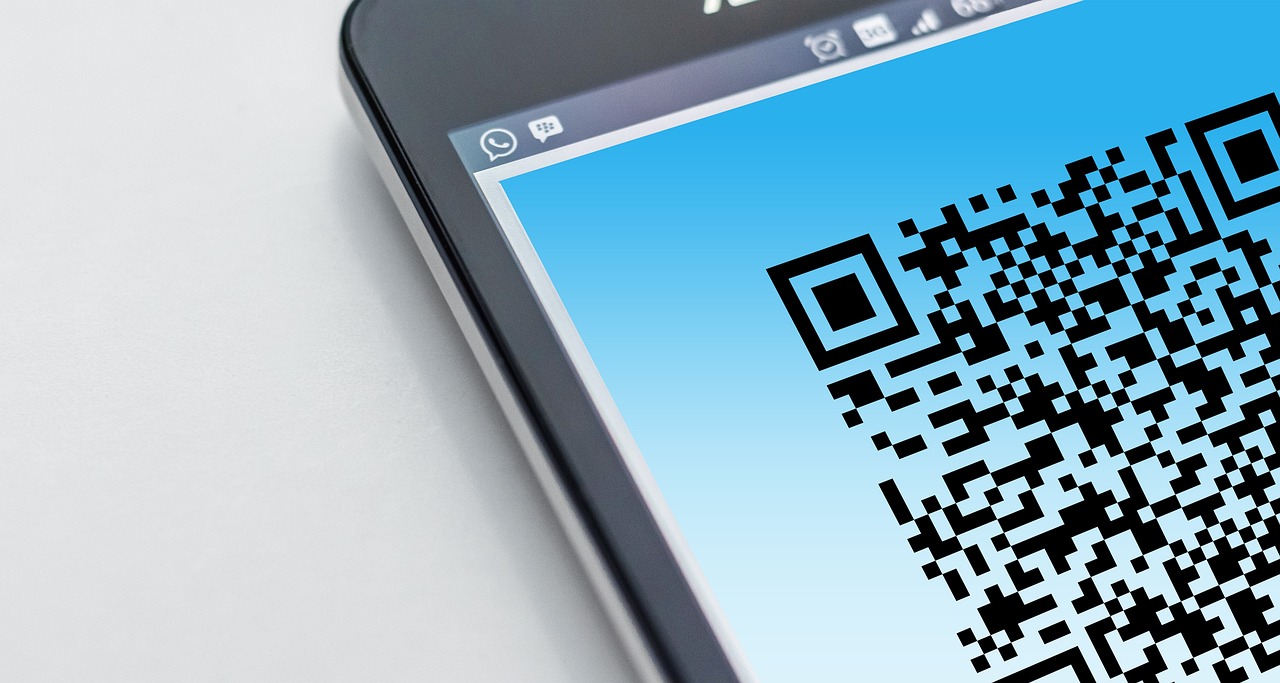
Quick Response (QR) codes are two-dimensional barcodes that can be scanned by smartphones to direct users to websites, apps, or multimedia content instantly. Initially developed for inventory tracking, QR codes have evolved into powerful marketing assets. When scanned, they bridge physical and digital worlds, enabling direct engagement with your customers.
As you learn how to use QR codes for marketing, it’s important to recognize their capabilities and limitations to implement them successfully.
Pros of Using QR Codes for Marketing
- Easy Access to Information: QR codes provide instant access to product details, offers, or digital content without manual typing.
- Cost-Effective: Generating QR codes is inexpensive and can be integrated seamlessly into various marketing materials.
- Trackable Engagement: You can monitor scans to measure campaign effectiveness and user behavior.
- Versatility: QR codes can link to websites, videos, social media, contact forms, or app downloads.
- Contactless Interaction: Especially relevant post-pandemic, QR codes facilitate touch-free customer engagement.
Cons of Using QR Codes for Marketing
- Dependence on Smartphones: Users must have a smartphone with scanning capability, which may exclude some audiences.
- Security Concerns: Malicious QR codes can redirect users to harmful sites, so trust and design are critical.
- Potential Low Engagement: Poor placement or unclear calls-to-action may result in low scanning rates.
- Requires Internet Connection: Scanning a QR code generally needs internet access, limiting usability in offline environments.
Best Practices for QR Code Marketing
- Clear Call-to-Action: Tell users what they’ll gain by scanning the code to encourage interaction.
- Optimize Landing Pages: Ensure the destination is mobile-friendly and loads quickly for a positive user experience.
- Strategic Placement: Position QR codes where they are easily visible and accessible, such as packaging, posters, or receipts.
- Design Considerations: Customize QR codes with branding colors and logos without compromising scanability.
- Test Before Launch: Verify that codes work on various devices and QR scanner apps.
- Offer Incentives: Use discounts, contests, or exclusive content to motivate users to scan.
Implementation Steps
To implement QR code marketing effectively, follow these key steps:
- Define Your Goal: Decide what you want to achieve – increase sales, collect customer data, or drive traffic.
- Create Relevant Content: Prepare the digital asset the QR code will link to, ensuring it aligns with your campaign objectives.
- Generate the QR Code: Use reputable QR code generators to create codes with high resolution.
- Integrate into Marketing Materials: Add codes to print ads, product packaging, event materials, or storefronts.
- Monitor and Analyze: Track scans and user engagement to evaluate success and adjust future campaigns.
Common Mistakes to Avoid
- Neglecting Mobile Optimization: Linking to desktop-only pages frustrates users.
- Overcrowding QR Codes: Placing codes in cluttered designs reduces visibility and scan rates.
- Ignoring Analytics: Without tracking, you miss insights critical for improvement.
- Failing to Educate Customers: Some users may not know how to scan QR codes; simple instructions help.
Costs and Fees
Most QR code generators offer free basic services, which is ideal for small campaigns. However, advanced features like analytics, dynamic code editing, or bulk creation may come with monthly fees. Below is a simple comparison table:
| Feature | Free Plan | Paid Plan |
|---|---|---|
| Code Generation | Limited | Unlimited |
| Analytics | None | Detailed Reports |
| Dynamic Codes | Unavailable | Available |
| Customization | Basic | Advanced Branding |
Be aware of potential hidden costs such as design services or integration with CRM tools. Planning your budget carefully is crucial.
Alternatives to QR Code Marketing
If QR codes don’t seem like the perfect fit, consider these alternatives:
- NFC (Near Field Communication): Enables tap-based interaction but requires compatible devices.
- Short URLs and SMS Links: Easier to share but less interactive than QR codes.
- Augmented Reality (AR) Experiences: Engaging but more complex and costly to implement.
- Social Media Campaigns: Leverage existing platforms for customer engagement.
Key Takeaways
- QR codes are versatile and cost-effective marketing tools that connect offline and online customer experiences.
- Successful campaigns depend on clear calls-to-action, mobile-friendly destinations, and strategic placement.
- Be mindful of limitations such as user device dependency and possible security concerns.
- Monitor performance using analytics to continually optimize your marketing efforts.
- Consider alternatives like NFC or AR if QR codes do not align with your campaign goals.
Conclusion
By understanding how to use QR codes for marketing, you can create engaging, measurable, and interactive campaigns that resonate with your audience in 2026. While QR codes offer many benefits, they also require thoughtful application to overcome their challenges. Follow best practices and continuously refine your approach to maximize the impact of your marketing efforts. For further insights on digital marketing strategies, visit Investopedia and learn more about consumer behaviors at the Consumer Financial Protection Bureau. For assistance or more information, feel free to visit our About page or Contact us.
FAQs
How do I qualify for how to use qr codes for marketing?
There is no formal qualification required to use QR codes for marketing. Anyone can generate and deploy QR codes with the right tools and strategy. However, understanding your target audience and having a clear marketing objective are essential to qualify for effective usage.
What documents do I need?
No specific documents are required to use QR codes for marketing. You simply need to prepare your marketing materials and digital content that the QR code will link to. If you are working with a marketing agency or platform, contractual documents may apply.
What is how to use qr codes for marketing and how does it work?
How to use QR codes for marketing refers to the strategies and techniques employed to integrate QR codes into marketing campaigns. QR codes work by encoding information in a scannable format that smartphones can read, directing users to websites, apps, or other digital content instantly.
What mistakes should I avoid?
Avoid linking to non-mobile-friendly pages, placing QR codes in hard-to-scan locations, neglecting user instructions, and failing to monitor scan data. These errors reduce engagement and campaign effectiveness.
What are the common fees and hidden costs?
While many QR code generators offer free services, advanced features such as dynamic codes, analytics, and bulk creation usually come with subscription fees. Hidden costs can include professional design, printing, and integration with other marketing systems.
What are the best alternatives to how to use qr codes for marketing?
Alternatives include NFC technology, short URLs, SMS marketing links, augmented reality experiences, and social media campaigns. Each has its advantages depending on your goals and audience.
How can I reduce the interest rate or total cost?
This question may relate to financing marketing efforts. To reduce costs, consider using free or low-cost QR code tools, optimizing your campaign to improve ROI, and negotiating with service providers. Detailed budgeting and cost-benefit analysis can help manage expenses effectively.
Is how to use qr codes for marketing a good idea in 2026?
Yes, QR code marketing remains a relevant and effective strategy in 2026, particularly as consumer habits continue to favor quick, contactless access to information. When used thoughtfully, QR codes can enhance engagement and provide measurable results.