.svg)


Table of Contents
- Introduction to QR Code Marketing
- Advanced QR Code Marketing Strategies
- Optimization Techniques for QR Code Campaigns
- Integrating QR Codes with Other Marketing Channels
- Tracking and Analytics in QR Code Marketing
- Common Mistakes to Avoid
- QR Code Marketing vs. Alternatives
- Key Takeaways
- FAQs
- Conclusion
Introduction to QR Code Marketing
If you want to stay ahead in the evolving world of digital marketing, understanding QR code marketing is essential. QR codes provide a seamless bridge between offline and online experiences, allowing you to engage customers instantly by scanning a code with their smartphones. In 2026, this technology remains a powerful tool when leveraged with advanced strategies and proper optimization.
This article will guide you through the latest techniques to maximize your QR code campaigns, improve customer interaction, and ultimately boost your marketing ROI.
Advanced QR Code Marketing Strategies
To elevate your QR code marketing efforts, consider these advanced strategies that go beyond basic implementation.
1. Personalization and Dynamic QR Codes
Dynamic QR codes allow you to change the destination URL or content without reprinting the code. Use this to personalize campaigns for different audience segments or geographic locations. For example, you can direct users to tailored landing pages based on their demographics or browsing history.
2. Interactive and Gamified Experiences
Integrate QR codes with interactive content such as quizzes, polls, or mini-games. Gamification increases engagement and encourages sharing, which can amplify your reach organically.
3. Offline-to-Online Integration
Embed QR codes in physical locations like print ads, packaging, or event booths to drive offline audiences online instantly. This creates a seamless customer journey and data collection opportunity.
Optimization Techniques for QR Code Campaigns
Optimizing your QR codes is crucial to ensure high scan rates and positive user experiences.
1. Design and Placement Best Practices
- Ensure QR codes are large enough to scan easily, typically at least 2 x 2 cm.
- Place codes where they are clearly visible and accessible, avoiding curved or textured surfaces.
- Use contrast and colors that maintain scanability; test before deployment.
2. Optimize Landing Page Speed
When a user scans a QR code, they expect quick loading. Optimize your landing pages for mobile devices by minimizing images and scripts to reduce load times.
3. Clear Call-to-Action (CTA)
Explain the benefit of scanning your QR code near its placement. For example, "Scan for 10% off your next purchase" encourages immediate action.
Integrating QR Codes with Other Marketing Channels
Combining QR code marketing with other digital and traditional channels creates a unified marketing ecosystem.
Social Media Synergy
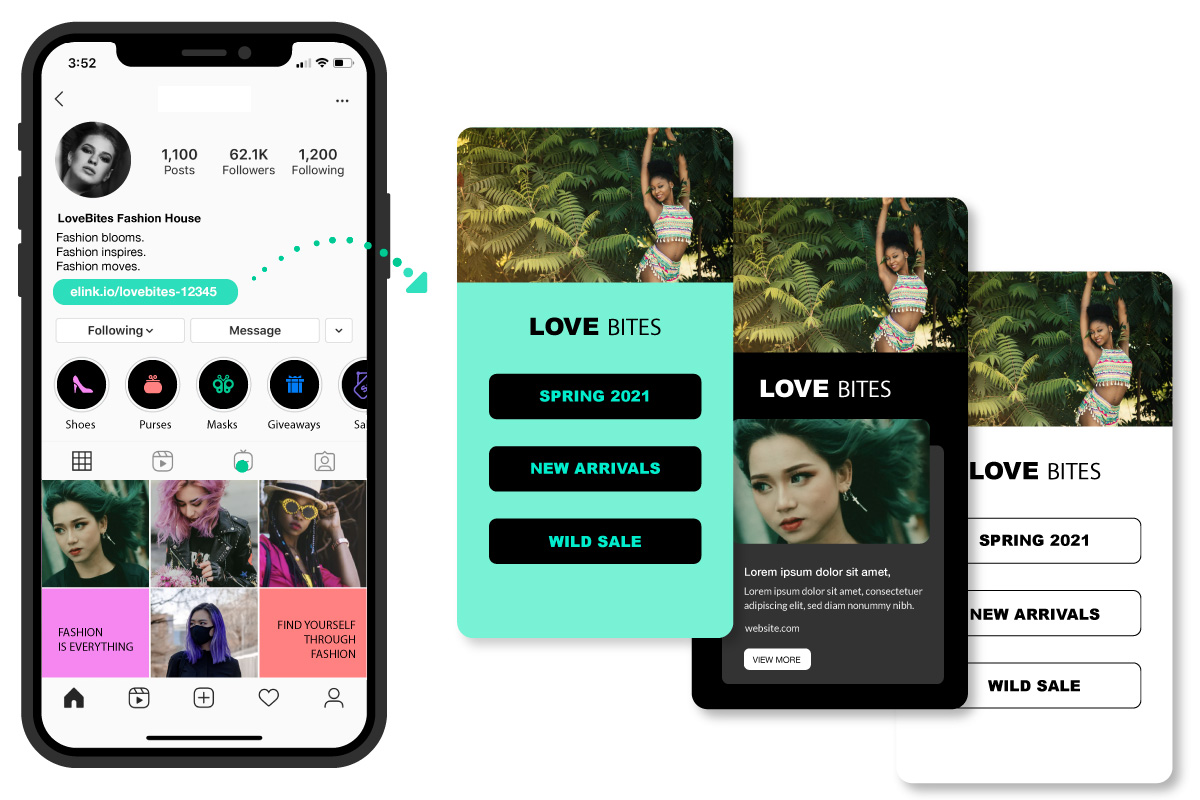
Add QR codes to your social media posts or profiles to guide followers to exclusive offers or detailed product information.
Email Marketing Integration
Embed QR codes in your newsletters to provide quick access to landing pages or downloadable content.
Print Media and Packaging
Incorporate QR codes in brochures, flyers, or product packaging to drive offline audiences online.
Tracking and Analytics in QR Code Marketing
Tracking is vital to measure campaign effectiveness and optimize future efforts.
Use Dynamic QR Codes
Dynamic codes enable you to monitor scans in real-time, track locations, devices, and time of scans.
Analyze User Behavior
Link QR scans to Google Analytics or other analytics platforms to assess conversion rates and user engagement on landing pages.
Common Mistakes to Avoid
- Using static QR codes that can’t be updated or tracked.
- Poor placement or sizing that makes scanning difficult.
- Not optimizing landing pages for mobile devices.
- Lack of a clear call-to-action, confusing users about the benefit of scanning.
- Ignoring analytics and failing to refine campaigns based on data.
QR Code Marketing vs. Alternatives
| Marketing Method | Strengths | Limitations |
|---|---|---|
| QR Code Marketing | Instant offline to online connection, easy engagement, trackable, customizable | Requires smartphone, sometimes scanning hesitation, design constraints |
| Traditional Print Ads | Wide reach, tactile experience | No direct digital engagement, hard to measure effectiveness |
| Social Media Ads | Targeted, interactive, measurable | Dependent on platform algorithms, ad fatigue |
| Near Field Communication (NFC) | Contactless, quick activation | Requires NFC-enabled devices, higher costs |
Key Takeaways
- QR code marketing bridges offline and online channels effectively.
- Dynamic QR codes enable personalization and real-time optimization.
- Design, placement, and mobile optimization are critical for high scan rates.
- Integrate QR codes with other marketing channels to maximize impact.
- Track and analyze scan data to continuously improve campaign performance.
- Avoid common mistakes such as static codes and unclear CTAs to enhance user experience.
FAQs
How long does approval usually take?
The approval time varies depending on the marketing platform or regulatory requirements involved. For QR code marketing campaigns, approval can range from a few hours to several business days, especially if third-party platforms or compliance checks are required.
What is QR code marketing and how does it work?
QR code marketing uses quick response codes to link offline materials to online content. When a user scans the QR code with a smartphone, they are directed to a website, offer, or digital experience designed to engage and convert them.
How can I reduce the interest rate or total cost?
This question is generally more relevant to financial products, but when applied to marketing budgets, you can reduce costs by optimizing your QR code campaigns to improve efficiency and ROI. This includes targeting the right audience, using dynamic codes, and continuously analyzing performance to eliminate waste.
What documents do I need?
For QR code marketing, you typically do not need documents unless you are working with third-party vendors or platforms requiring contracts or approvals. For regulatory compliance or data privacy, ensure your marketing content follows legal guidelines.
What are the best alternatives to QR code marketing?
Alternatives include NFC (Near Field Communication), traditional print ads without digital integration, social media advertising, and direct email marketing. Each has strengths and limitations depending on your goals and audience.
What mistakes should I avoid?
Avoid using static QR codes, neglecting mobile optimization, placing codes in hard-to-scan locations, and failing to provide clear instructions or calls-to-action. Also, do not ignore analytics data that can guide improvements.
How do I qualify for QR code marketing?
There are no strict qualifications to use QR code marketing. However, you should have a clear marketing objective, suitable content or landing pages optimized for mobile, and the ability to create or generate QR codes through various free or paid platforms.
What are the common fees and hidden costs?
Common fees may include QR code generation services, design costs, landing page hosting, and analytics tools. Hidden costs can arise if you need to reprint materials due to poor design or if you fail to optimize leading to inefficient campaigns.
Conclusion
By now, you understand that QR code marketing remains a versatile and powerful tool in 2026 for linking offline and online customer experiences. Employing advanced strategies such as dynamic codes, personalization, and integration with other marketing channels will help you maximize engagement and ROI. Remember to optimize design and placement, track performance rigorously, and avoid common pitfalls. For further insights into digital marketing trends, explore resources from Consumer Finance and NerdWallet. For more information about our services or to get in touch, visit our About and Contact pages.
Additionally, check out related marketing strategies and best practices for QR code use to stay informed and competitive.
For authoritative financial marketing insights, refer to Investopedia and SEC.gov.