.svg)


Table of Contents
- Introduction to QR Code Effectiveness
- Understanding QR Codes
- How to Make QR Codes More Effective
- Design and Placement Best Practices
- Tracking and Analytics
- Common Mistakes to Avoid
- Alternatives to QR Codes
- Use Cases and Benefits
- Key Takeaways
- FAQs
- Conclusion
Introduction to QR Code Effectiveness
If you’re wondering how to make QR codes more effective, you’re tapping into a marketing and engagement tool that remains relevant in 2026. QR codes, or Quick Response codes, allow users to quickly access information through their smartphones. However, simply placing a QR code isn’t enough. To maximize engagement and conversions, you need to understand best practices and strategies that enhance their usability and appeal.
Understanding QR Codes
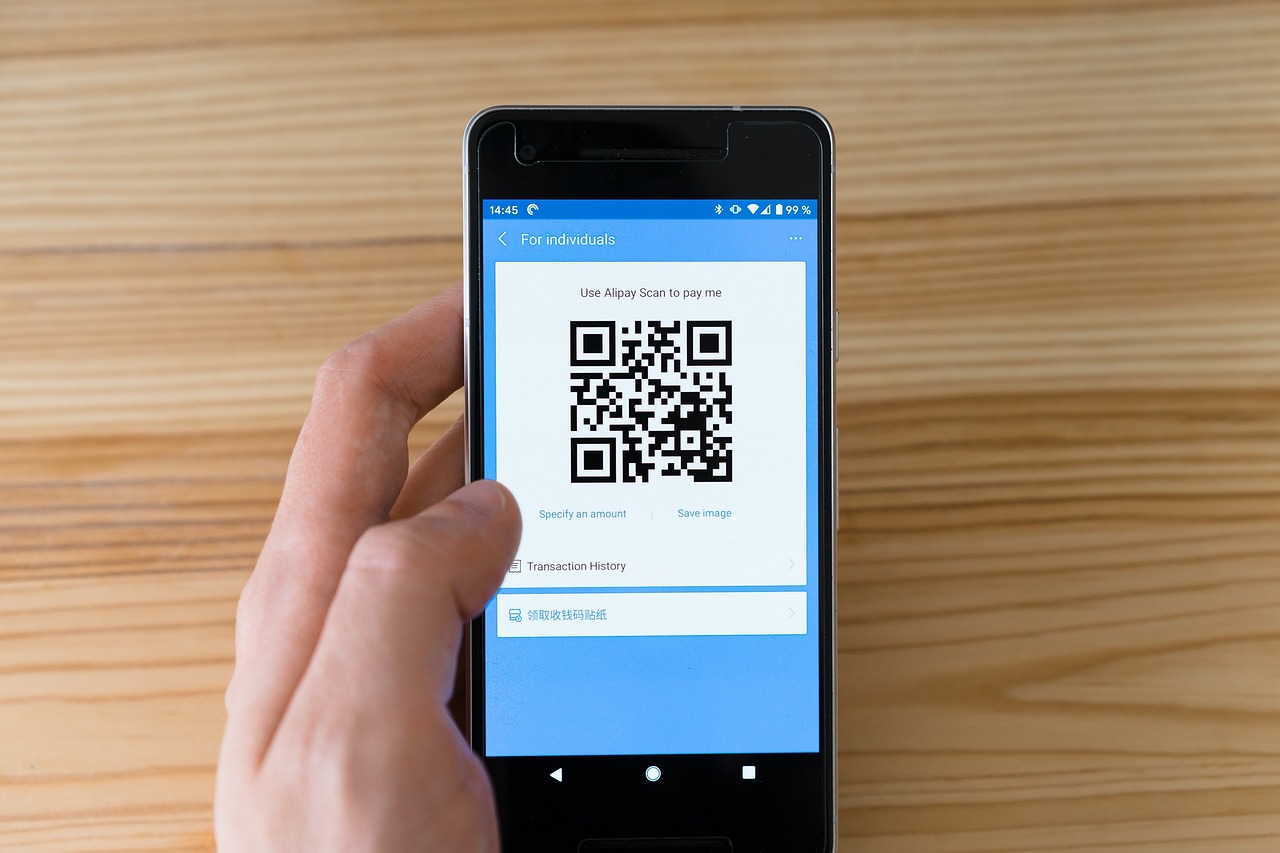
Before diving into how to make QR codes more effective, it’s important to understand what they are and how they work. A QR code is a two-dimensional barcode that stores data, such as URLs, contact information, or event details. When scanned with a smartphone camera or QR code reader, it directs the user to the encoded content instantly.
QR codes work by encoding data into a matrix of black and white squares. The scanning app interprets this pattern and translates it into actionable information. Their versatility has made them popular for marketing, payments, and information sharing.
How to Make QR Codes More Effective
To truly understand how to make QR codes more effective, consider the following essential steps that improve user experience and increase scan rates:
- Ensure Clear Call-to-Action (CTA): Tell users exactly what they will get by scanning the code. Use phrases like “Scan to get 20% off” or “Scan to watch our tutorial.”
- Optimize for Mobile Experience: The landing page or content should be mobile-friendly, loading quickly and displaying clearly on all devices.
- Choose the Right Type of QR Code: Static codes are good for permanent information, but dynamic QR codes allow you to update the destination URL without changing the code itself.
- Test Before Printing: Always scan your QR code with multiple devices to ensure it works properly and directs users to the intended content.
- Use Short URLs and URL Redirects: When creating dynamic codes, use short URLs to reduce the complexity and improve scanning reliability.
Design and Placement Best Practices
The effectiveness of QR codes also depends heavily on their design and placement. Here’s what you should keep in mind:
- Size Matters: Make sure the QR code is large enough to be easily scanned from a reasonable distance. A minimum of 2 x 2 cm is recommended, but larger is often better.
- Contrast and Colors: Use high contrast between the QR code and its background. Avoid light colors on light backgrounds or dark colors on dark backgrounds.
- Branding: Incorporate your logo or brand colors into the QR code design to increase trust and recognition, but avoid compromising the code’s readability.
- Strategic Placement: Position QR codes where they are easily visible and accessible, such as near checkout counters, on packaging, or in printed materials like brochures.
- Provide Instructions: Include a brief note or icon showing users how to scan the QR code, especially if your audience is less tech-savvy.
Tracking and Analytics
One of the most powerful ways to improve how to make QR codes more effective is by tracking their performance. Dynamic QR codes often come with built-in analytics, allowing you to monitor:
- Number of scans
- Location of scans
- Time and date of scans
- Device types used
This data helps you understand user behavior and refine your strategies. For example, if certain placements generate more scans, you can replicate that success elsewhere.
Common Mistakes to Avoid
When learning how to make QR codes more effective, it’s just as important to know what not to do. Avoid these common pitfalls:
- Using Low-Quality Prints: Blurry or pixelated codes are difficult or impossible to scan.
- Ignoring Mobile Optimization: Directing users to non-mobile-friendly sites frustrates users and reduces conversions.
- Overcrowding the Code: Adding too much data or complex design elements can make scanning unreliable.
- Failing to Provide Context: Users need to know why they should scan the code and what to expect.
- Not Testing Across Devices: QR codes may behave differently on various smartphones and apps.
Alternatives to QR Codes
While QR codes are popular, alternatives exist depending on your goals. These include:
- NFC (Near Field Communication): Allows tap-based interactions, commonly used for payments or quick data sharing.
- Short URLs: Simple and easy to communicate in print or verbally, though less seamless than QR codes.
- Augmented Reality (AR) Codes: Interactive and engaging but require specialized apps or hardware.
Each alternative has pros and cons. To decide which is best, consider your audience, budget, and the context of use. For more detailed financial implications of technology adoption, visit Investopedia.
Use Cases and Benefits
QR codes have found applications across industries. You can use them for:
- Marketing campaigns to boost engagement
- Providing product information or manuals
- Contactless payments and ticketing
- Customer feedback and surveys
- Sharing Wi-Fi credentials or app downloads
Benefits include increased convenience, enhanced user experience, and measurable interaction data. For consumer protection and best practices, consult resources like Consumer Finance.
Key Takeaways
- Clear CTAs and mobile optimization are essential for effective QR codes.
- Design and placement significantly influence scan rates and usability.
- Tracking performance with dynamic codes helps refine your approach.
- Avoid common mistakes such as poor print quality and lack of context.
- Consider alternatives like NFC and short URLs depending on your needs.
FAQs
What is how to make qr codes more effective and how does it work?
"How to make QR codes more effective" refers to techniques and strategies used to increase the usability, scan rates, and impact of QR codes. It works by optimizing design, placement, content, and tracking to ensure users have a seamless experience and are motivated to engage with the QR code.
What are the best alternatives to how to make qr codes more effective?
Alternatives include NFC (Near Field Communication), short URLs, and augmented reality codes. Each has different use cases and advantages depending on user interaction preferences and technical requirements.
What mistakes should I avoid?
Avoid low-quality prints, ignoring mobile optimization, overcrowding the QR code with data, not providing context or clear instructions, and failing to test the codes across different devices.
Is how to make qr codes more effective a good idea in 2026?
Yes, QR codes remain relevant in 2026 due to their convenience and versatility. When implemented correctly with updated strategies, they continue to be an effective tool for marketing, payments, and information sharing.
How do I qualify for how to make qr codes more effective?
No formal qualification is needed. Anyone can create and use QR codes effectively by following best practices and using available tools and platforms.
How long does approval usually take?
Typically, QR codes do not require approval to be used. However, if integrated within regulated platforms or payment systems, approval times can vary depending on the service provider.
How can I reduce the interest rate or total cost?
This question is not directly applicable to QR codes. If you are using QR codes for financial services, consult financial guidance on sites like Investopedia and Consumer Finance for cost management strategies.
What documents do I need?
Generally, no documents are required to create and use QR codes. For business or regulatory purposes, you may need standard business documents depending on the context of your QR code usage.
Conclusion
Understanding how to make QR codes more effective empowers you to leverage this technology in your marketing, communications, or business operations successfully. By combining clear CTAs, thoughtful design, mobile optimization, and tracking analytics, you can maximize user engagement and achieve your goals efficiently. Remember to avoid common pitfalls and stay updated with emerging alternatives to keep your approach modern and effective. For more insights, visit our About page or get in touch through Contact.