.svg)


Table of Contents
- Introduction to QR Codes for Event Marketing
- Common Mistakes to Avoid
- Red Flags When Using QR Codes
- Tips for Effective Implementation
- Types of QR Codes and Their Uses
- Costs and Fees to Consider
- Approval Process and Timing
- How to Reduce Costs and Maximize ROI
- Key Takeaways
- FAQs
Introduction to QR Codes for Event Marketing
If you're exploring innovative ways to engage attendees, qr codes for event marketing offer a versatile, contactless solution to connect your audience with your event content. By embedding QR codes into your promotional materials, you enable instant access to event schedules, registration pages, exclusive offers, and more. However, to maximize their impact in 2026, you need to understand potential pitfalls and red flags. This article guides you through what to avoid and how to leverage QR codes effectively.
Common Mistakes to Avoid
QR codes can be powerful tools, but missteps often reduce their effectiveness. Here are the top mistakes to watch out for:
- Poor Placement: Placing QR codes where attendees can’t easily see or scan them diminishes their use.
- Low Contrast or Small Size: QR codes must be clearly visible and large enough for quick scanning.
- Lack of Clear Call-to-Action: Without instructions, users may not understand what scanning the code will do.
- Ignoring Mobile Optimization: Linking to non-mobile-friendly pages frustrates users and reduces engagement.
- Overloading Codes with Information: Excessively complex or dense QR codes can be unreadable.
Red Flags When Using QR Codes
Be cautious of these red flags that could undermine your event marketing efforts:
- Unsecured or Suspicious Links: Always use secure (HTTPS) URLs to build trust.
- Expired or Broken Links: Regularly test your QR codes to ensure continued functionality.
- Ignoring Analytics: Not tracking scans means missing valuable data about attendee engagement.
- Lack of Accessibility: Not providing alternatives for those unable to scan QR codes excludes part of your audience.
- Excessive Reliance: Using QR codes as the sole interaction method can alienate less tech-savvy attendees.
Tips for Effective Implementation
To make the most of QR codes in your event marketing, consider these practical steps:
- Ensure high-contrast, appropriately sized codes in prominent locations.
- Include clear instructions or a call-to-action near the code.
- Link to mobile-optimized landing pages for seamless user experience.
- Use dynamic QR codes to update content without changing the code.
- Implement analytics tools to monitor scan rates and user behavior.
Types of QR Codes and Their Uses
Understanding different QR code types helps tailor your strategy:
| Type | Description | Best Use Case |
|---|---|---|
| Static QR Codes | Fixed information embedded directly in the code. | Simple links, contact details, or text. |
| Dynamic QR Codes | Redirects to a URL that can be changed without altering the code. | Event updates, promotions, and tracking scans. |
| vCard QR Codes | Stores contact information that can be saved to phones. | Networking at events. |
| WiFi QR Codes | Allows instant connection to WiFi networks. | Improving attendee connectivity. |
Costs and Fees to Consider
While QR codes themselves are generally free to generate, there may be hidden costs involved in their use for event marketing:
- Subscription Fees: Some QR code services charge monthly fees for dynamic codes or analytics features.
- Design and Printing: Costs for integrating QR codes into printed materials or digital displays.
- Maintenance: Time and resources to update linked content and monitor functionality.
Make sure you review service terms carefully to avoid unexpected charges. For financial insights related to marketing investments, visit NerdWallet or Federal Reserve for economic context.
Approval Process and Timing
The approval timeline for incorporating QR codes into your event marketing depends largely on your internal processes and vendor coordination. Generally, you should:
- Obtain design approval for QR code placement and content.
- Test all QR codes for functionality and user experience.
- Schedule printing and distribution based on event timelines.
This process can take anywhere from a few days to several weeks. Planning ahead ensures smooth integration.
How to Reduce Costs and Maximize ROI
To optimize your budget when using QR codes for event marketing, consider the following strategies:
- Choose free or low-cost QR code generators with adequate features.
- Use dynamic QR codes to update campaigns without reprinting materials.
- Leverage digital platforms to distribute QR codes, reducing printing needs.
- Integrate QR codes with your CRM to enhance lead tracking and follow-up.
- Continuously analyze scan data to refine future campaigns.
Key Takeaways
- Use qr codes for event marketing thoughtfully to enhance attendee engagement.
- Avoid common mistakes such as poor placement and lack of clear calls-to-action.
- Watch for red flags like broken links and lack of analytics tracking.
- Implement dynamic QR codes for flexibility and updated content delivery.
- Plan approval and testing timelines carefully to ensure smooth rollout.
- Consider total costs including design, printing, and subscription fees.
- Use analytics to continuously improve your marketing strategy.
FAQs
What is qr codes for event marketing and how does it work?
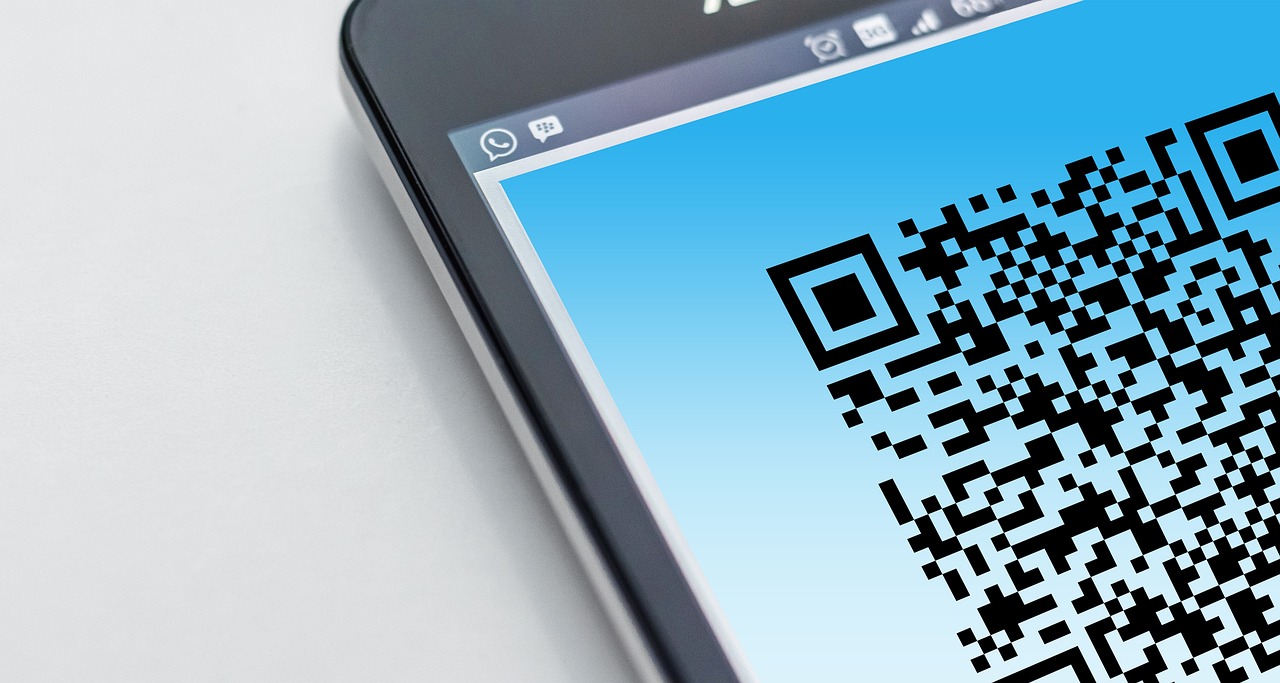
QR codes for event marketing are scannable codes that direct attendees to digital content related to an event, such as registration pages, schedules, or promotions. When you scan the code using a smartphone camera or QR reader app, it redirects you to the linked information instantly, enabling quick and contactless access.
What are the best alternatives to qr codes for event marketing?
Alternatives include NFC (Near Field Communication) tags, event apps with embedded links, SMS marketing, and augmented reality experiences. Each offers different interaction styles, but QR codes remain popular due to their low cost and ease of use.
What are the common fees and hidden costs?
While generating QR codes can be free, hidden costs may include subscription fees for dynamic codes, design and printing expenses, maintenance, and analytics services. Be sure to review vendor pricing carefully to avoid surprises.
How long does approval usually take?
Approval timelines vary but typically range from a few days to several weeks depending on the complexity of your campaign, design iterations, and vendor coordination. Early planning is key to avoid delays.
How can I reduce the interest rate or total cost?
While interest rates aren’t directly applicable to QR codes, you can reduce total costs by selecting free or affordable QR code platforms, minimizing printing, using digital distribution, and leveraging analytics to focus on high-performing campaigns.
What mistakes should I avoid?
Avoid poor QR code placement, unclear calls-to-action, non-mobile-friendly destinations, expired links, and ignoring scan analytics. These mistakes can reduce engagement and waste marketing resources.
What documents do I need?
You generally don’t need formal documents to create QR codes, but having event materials, URLs, and branding assets ready will streamline the process. For contractual agreements with QR code service providers, keep copies of pricing and service terms.
Is qr codes for event marketing a good idea in 2026?
Yes, QR codes remain a relevant and effective tool for event marketing in 2026. With increasing smartphone adoption and contactless preferences, they provide a convenient way to engage attendees. However, success depends on proper implementation and avoiding common pitfalls.
For more information about our services, visit our About page or get in touch via Contact.
Explore related insights at our related topic and another related article.
For authoritative financial data and marketing investment advice, consult NerdWallet and Federal Reserve.