.svg)


Table of Contents
- Introduction
- Understanding QR Codes and Their Role in Sales
- How Businesses Use QR Codes to Increase Sales
- Common Mistakes to Avoid When Using QR Codes
- Red Flags to Watch For in QR Code Campaigns
- Best Practices for QR Code Success
- QR Code Marketing Tools Comparison
- Key Takeaways
- FAQs
- Conclusion
Introduction
If you're exploring innovative ways to boost your sales, understanding how businesses use QR codes to increase sales is essential. QR codes have evolved beyond simple links, becoming powerful tools that connect physical and digital marketing channels seamlessly. In this article, you will learn practical strategies, common pitfalls, and red flags to avoid when implementing QR codes in your business. Whether you run a retail store, restaurant, or service-based business, this guidance will help you leverage QR codes effectively in 2026.
Understanding QR Codes and Their Role in Sales
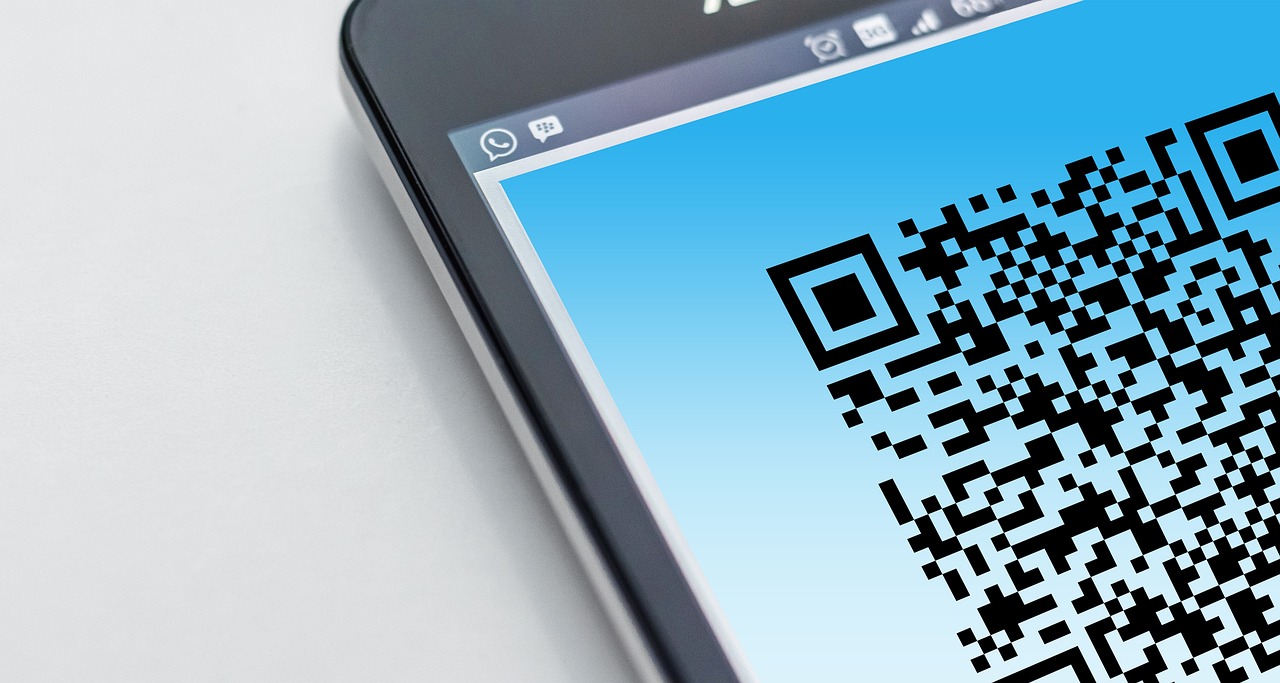
QR codes, or Quick Response codes, are two-dimensional barcodes that, when scanned with a smartphone, direct users to specific digital content. This content can range from product pages and discount coupons to videos and contact forms. QR codes serve as bridges between offline and online experiences, making them valuable in increasing customer engagement and sales.
Businesses integrate QR codes into packaging, advertisements, storefronts, menus, and more. This convenience encourages customers to interact with your brand instantly, boosting conversion rates.
How Businesses Use QR Codes to Increase Sales
Understanding how businesses use QR codes to increase sales involves recognizing the multifaceted ways these codes enhance customer interaction and purchasing behavior. Here are key methods businesses employ:
1. Simplifying the Purchase Process
QR codes streamline the purchase journey by linking customers directly to product pages or checkout portals, reducing friction and abandoned carts. For example, scanning a code on a product label can instantly add the item to a shopping cart on your website.
2. Offering Exclusive Discounts and Promotions
Many companies use QR codes to distribute time-sensitive coupons or special offers, encouraging immediate purchases. This creates urgency and adds value for your customers.
3. Enhancing Customer Engagement
Interactive content such as video demos, user guides, or augmented reality experiences accessed via QR codes can educate customers and increase their confidence in the product, leading to higher sales.
4. Gathering Customer Data and Feedback
QR codes can link to surveys or feedback forms, helping you collect valuable data to refine your marketing strategies and improve products or services.
5. Supporting Contactless Payments
With the growing preference for contactless transactions, QR codes facilitate quick, safe payments, enhancing customer convenience and satisfaction.
Common Mistakes to Avoid When Using QR Codes
While QR codes offer numerous benefits, mistakes can undermine their effectiveness. Avoid these common errors:
- Poor Placement: Placing QR codes in hard-to-see or hard-to-scan locations reduces usage.
- Low-Quality Codes: Blurry or pixelated QR codes may fail to scan, frustrating customers.
- Unclear Call to Action: Without a clear reason to scan, customers may ignore your QR codes.
- Ignoring Mobile Optimization: Landing pages not optimized for mobile devices result in poor user experience.
- Overcomplicating Content: Linking to long forms or slow-loading pages deters users.
- Neglecting Tracking: Without analytics, you cannot measure QR code performance or ROI.
Red Flags to Watch For in QR Code Campaigns
When planning your QR code strategy, watch for these red flags that may indicate potential issues:
- Security Risks: QR codes linking to unsecured or suspicious websites can damage your brand’s reputation and customer trust.
- Lack of Updates: Static QR codes that lead to outdated content frustrate users and waste resources.
- Ignoring Accessibility: QR codes without alternative ways to access information can exclude customers with disabilities.
- Overuse: Excessive QR code placements may overwhelm customers and dilute their effectiveness.
Best Practices for QR Code Success
To maximize the benefits of QR codes, consider these best practices:
- Ensure High Contrast and Size: Make QR codes easy to scan by using sufficient size and contrast against the background.
- Provide Clear Instructions: Guide customers on what to expect when scanning.
- Use Trackable QR Codes: Employ dynamic QR codes for monitoring scans and user behavior.
- Test Across Devices: Verify scanning functionality on multiple smartphones and QR code readers.
- Keep Content Relevant and Updated: Regularly refresh linked content to maintain customer interest.
QR Code Marketing Tools Comparison
| Tool | Features | Pricing | Tracking & Analytics | Customization |
|---|---|---|---|---|
| QR Code Generator Pro | Dynamic codes, logo embedding, URL redirects | Starts at $15/month | Yes | High |
| Beaconstac | Campaign management, API integration, analytics | Custom pricing | Advanced | High |
| Scanova | Bulk creation, custom design, analytics | Starts at $21/month | Yes | Medium |
Key Takeaways
- QR codes effectively bridge offline and online sales channels, increasing customer engagement.
- Clear calls to action and mobile-optimized content are critical for success.
- Trackable, dynamic QR codes provide valuable insights and flexibility.
- Avoid common mistakes like poor placement, low-quality codes, and ignoring analytics.
- Watch out for security risks, outdated content, and accessibility issues.
- Choose the right QR code marketing tools based on your business needs and budget.
FAQs
How can I reduce the interest rate or total cost?
To reduce interest rates or overall costs related to QR code marketing investments, negotiate with service providers, choose scalable plans, and focus on campaigns with clear ROI. Additionally, optimizing your QR code strategy to drive more sales can offset costs effectively. For financial insights, visit Investopedia.
What are the best alternatives to how businesses use QR codes to increase sales?
Alternatives include NFC (Near Field Communication) tags, augmented reality experiences, personalized email marketing, and mobile apps. Each has unique advantages depending on your target audience and budget. For comparison, see resources on NerdWallet.
How do I qualify for how businesses use QR codes to increase sales?
Qualification generally depends on having a product or service that can benefit from enhanced customer interaction and digital engagement. Businesses of all sizes across industries can implement QR codes if they have a clear marketing goal and access to mobile-friendly content.
Is how businesses use QR codes to increase sales a good idea in 2026?
Yes, QR codes remain a relevant and effective tool in 2026, especially as mobile usage continues to rise. When used strategically, they enhance customer experiences and boost sales conversions.
What documents do I need?
No specific documents are required to use QR codes, but having marketing plans, branded content, and access to analytics platforms will support successful implementation and monitoring.
What are the common fees and hidden costs?
Costs may include subscription fees for QR code generation platforms, design services, campaign management, and analytics tools. Hidden costs can arise from poor campaign performance or lack of monitoring, leading to wasted resources.
What mistakes should I avoid?
Avoid poor QR code placement, unclear calls to action, unoptimized landing pages, ignoring analytics, and security risks. These mistakes undermine customer trust and reduce sales impact.
What is how businesses use QR codes to increase sales and how does it work?
This concept refers to the strategic application of QR codes by companies to drive customer engagement and sales. QR codes work by linking physical touchpoints to digital content, making it easy for customers to access promotions, product information, and purchase options instantly.
Conclusion
By understanding how businesses use QR codes to increase sales, you can effectively integrate this technology into your marketing mix. Avoid common mistakes and watch for red flags to maximize your return on investment. Remember to keep your QR code campaigns user-friendly, trackable, and aligned with your sales goals. For further information, visit our About page or reach out via Contact. With the right approach, QR codes can be a valuable asset in your 2026 sales strategy.