.svg)


Table of Contents
- Introduction to Best QR Code Uses for Restaurants
- Digital Menus and Ordering Systems
- Contactless Payments Integration
- Enhanced Loyalty and Rewards Programs
- Marketing Campaigns and Customer Feedback
- Staff Training and Operational Efficiency
- Security Considerations and Best Practices
- Comparing Different QR Code Types for Restaurants
- Optimization Tips for QR Code Use
- Key Takeaways
- FAQs
- Conclusion
Introduction to Best QR Code Uses for Restaurants
If you are looking to modernize your restaurant and provide an enhanced dining experience, understanding the best qr code uses for restaurants is essential. QR codes have become a staple in the hospitality industry, especially following the push for contactless interactions. In 2026, leveraging these codes effectively can streamline your operations, improve customer engagement, and boost your bottom line.
In this article, you will explore advanced strategies and optimization techniques tailored specifically to restaurant settings. Whether you run a small café or a large dining establishment, these insights will help you stay competitive and innovative.
Digital Menus and Ordering Systems
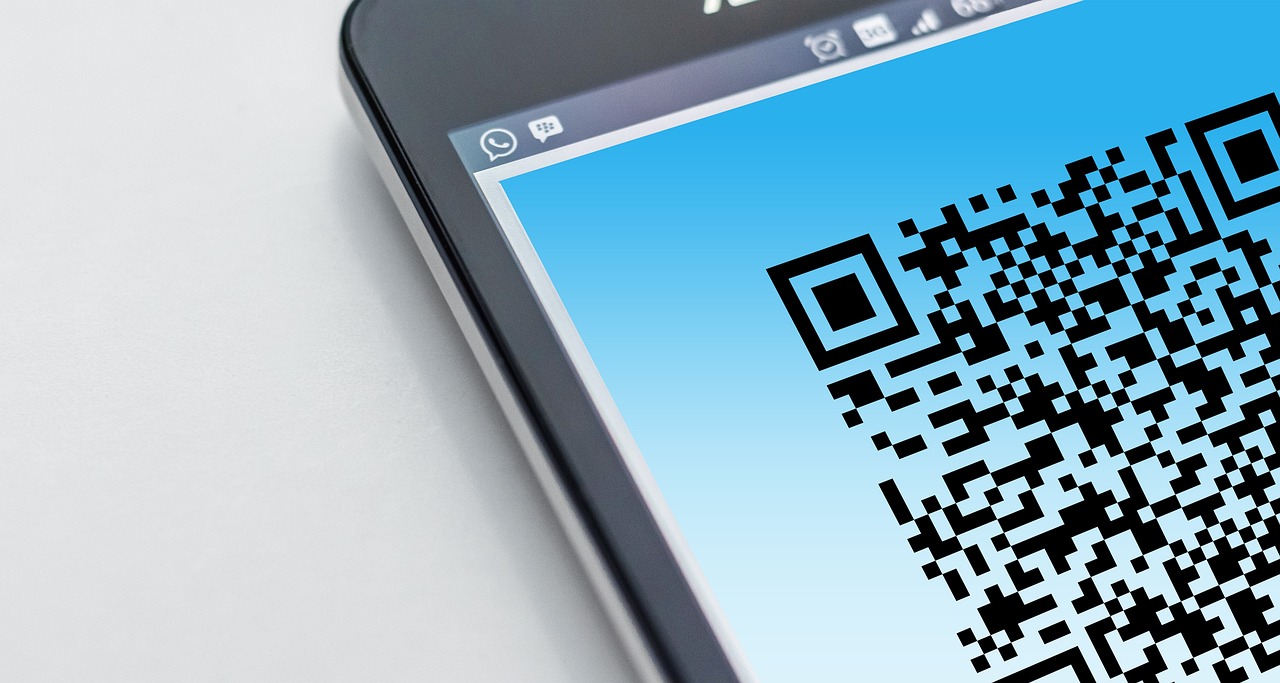
One of the most prominent uses of QR codes in restaurants is the digital menu. Instead of handing out physical menus, you can place QR codes on tables, which customers scan with their smartphones to access an interactive menu online.
This approach offers several advantages:
- Real-time menu updates without reprinting costs
- Easy integration of images and detailed descriptions
- Multi-language support for diverse customers
Advanced systems allow customers to place orders directly from the digital menu, reducing wait times and minimizing errors. You can further enhance this by integrating with your point-of-sale (POS) system.
Contactless Payments Integration
Integrating contactless payment options via QR codes is among the best qr code uses for restaurants. You can generate unique QR codes linked to payment gateways, enabling customers to pay securely without physical contact.
This payment method improves transaction speed and reduces dependency on cash or card terminals. Additionally, it supports multiple payment platforms such as Apple Pay, Google Pay, and popular digital wallets.
Enhanced Loyalty and Rewards Programs
QR codes can also serve as a gateway to your loyalty programs. By scanning a QR code, customers can easily join your rewards system, track points, or redeem offers without the need for physical cards.
Advanced implementations include personalized promotions based on customer preferences, which you can manage through customer relationship management (CRM) tools integrated with your QR code platform.
Marketing Campaigns and Customer Feedback
Using QR codes for marketing initiatives is another smart approach. You can embed them in table tents, receipts, or flyers to drive traffic to special promotions, social media pages, or event registrations.
Moreover, QR codes linked to feedback forms encourage customers to provide real-time reviews, helping you quickly address issues and improve service quality.
Staff Training and Operational Efficiency
Beyond customer-facing uses, QR codes support staff training and operational workflows. For example, you can use QR codes to provide quick access to training videos or cleaning checklists accessible via smartphones.
This reduces training time and ensures consistency across shifts. You can also track inventory or maintenance logs by scanning QR codes attached to equipment or storage areas.
Security Considerations and Best Practices
While QR codes offer convenience, you must prioritize security to protect your customers and business. Always use dynamic QR codes that allow you to update URLs in case of phishing concerns. Additionally, educate your staff and customers to only scan codes from trusted sources.
Regularly monitor analytics to detect suspicious activity and keep your underlying web pages secure with HTTPS protocols.
Comparing Different QR Code Types for Restaurants
| QR Code Type | Description | Best Use Cases in Restaurants |
|---|---|---|
| Static QR Code | Fixed content, cannot be changed after creation | Simple menu links, basic contact info |
| Dynamic QR Code | Editable content, trackable, and updateable | Digital menus, payment links, marketing campaigns |
| QR Code with Logo | Custom branded QR codes with embedded logos | Brand recognition, promotional materials |
Optimization Tips for QR Code Use
- Ensure QR codes are prominently displayed and easily scannable.
- Test QR codes across multiple devices and lighting conditions.
- Use dynamic QR codes for flexibility and tracking.
- Incorporate clear call-to-actions near QR codes.
- Regularly update linked content to keep customers engaged.
- Monitor analytics to understand usage patterns and improve strategies.
Key Takeaways
- Best QR code uses for restaurants include digital menus, contactless payments, loyalty programs, and marketing.
- Dynamic QR codes offer flexibility and better tracking compared to static ones.
- Integrating QR codes with POS and CRM systems maximizes operational efficiency.
- Security and user education are crucial to prevent misuse or phishing risks.
- Optimization through clear placement, testing, and analytics ensures success.
FAQs
What documents do I need?
To implement QR code solutions, you typically need your restaurant’s digital menu files, payment gateway credentials, and marketing materials. Additionally, having access to your POS system and CRM will help integrate QR code functions effectively.
How can I reduce the interest rate or total cost?
If you are investing in QR code software or hardware, negotiate with vendors for bundled services or volume discounts. Also, consider open-source or affordable platforms that provide essential features without high fees.
How long does approval usually take?
Approvals vary depending on the payment processors or third-party providers you use. Typically, setting up payment-enabled QR codes can take anywhere from a few days to two weeks.
What are the best alternatives to best qr code uses for restaurants?
Alternatives include NFC (Near Field Communication) tags for contactless interaction and mobile apps dedicated to ordering and payments. However, QR codes remain popular due to their ease of use and low cost.
Is best qr code uses for restaurants a good idea in 2026?
Yes, QR codes continue to evolve and remain a cost-effective, user-friendly technology that enhances customer experience and operational efficiency in restaurants.
What mistakes should I avoid?
Avoid placing QR codes in hard-to-scan locations, using static codes when dynamic ones are more appropriate, neglecting security, and failing to update linked content regularly.
What are the common fees and hidden costs?
Common costs include subscription fees for dynamic QR code services, payment gateway charges, and possible integration fees with your POS or CRM systems.
How do I qualify for best qr code uses for restaurants?
You qualify by having digital assets like menus and payment systems ready for integration. Additionally, a willingness to train staff and educate customers on QR code usage is essential.
For more detailed guides, visit the Federal Reserve and Consumer Financial Protection Bureau.
Learn more about our services on our About page or reach out through Contact.
Explore related insights at related topics and another related article.