.svg)


Table of Contents
- Introduction
- Why URL Shorteners Matter for Marketers
- Criteria for Selecting the Best URL Shortener for Marketers
- Case Study Scenario 1: Boosting Social Media Engagement
- Case Study Scenario 2: Tracking Campaign Performance
- Top URL Shorteners in 2026 Compared
- Implementation Tips for Using URL Shorteners Effectively
- Potential Pitfalls and How to Avoid Them
- Key Takeaways
- Conclusion
- FAQs
Introduction
If you want to enhance your digital marketing efforts in 2026, understanding the best url shortener for marketers is essential. URL shorteners help you create concise, trackable links that improve user experience and provide valuable data for optimizing campaigns. In this article, you will explore why URL shorteners matter, how to choose the right one, and real-life case study scenarios illustrating their benefits.
Why URL Shorteners Matter for Marketers
URL shorteners are more than just link compressors. They play a crucial role in marketing strategies by:
- Improving link aesthetics and shareability on social platforms.
- Enabling detailed tracking and analytics for campaign performance.
- Enhancing click-through rates (CTR) with clean, trustworthy URLs.
- Facilitating easier management of multiple campaigns with custom branded domains.
Using the best url shortener for marketers helps you gain insights into customer behavior and optimize your advertising spend.
Criteria for Selecting the Best URL Shortener for Marketers
Choosing the right URL shortener depends on your marketing goals and operational needs. Consider these factors:
- Tracking and Analytics: Look for detailed click data, geographic info, and device breakdowns.
- Custom Branding: Ability to use branded short domains enhances brand recognition.
- Integration: Compatibility with marketing tools like Google Analytics, CRM, and social platforms.
- Reliability and Speed: The service should offer fast redirects with high uptime.
- Security Features: Options for link protection, spam detection, and SSL support.
- Pricing and Limits: Understand free tier limitations and pricing for premium features.
Case Study Scenario 1: Boosting Social Media Engagement
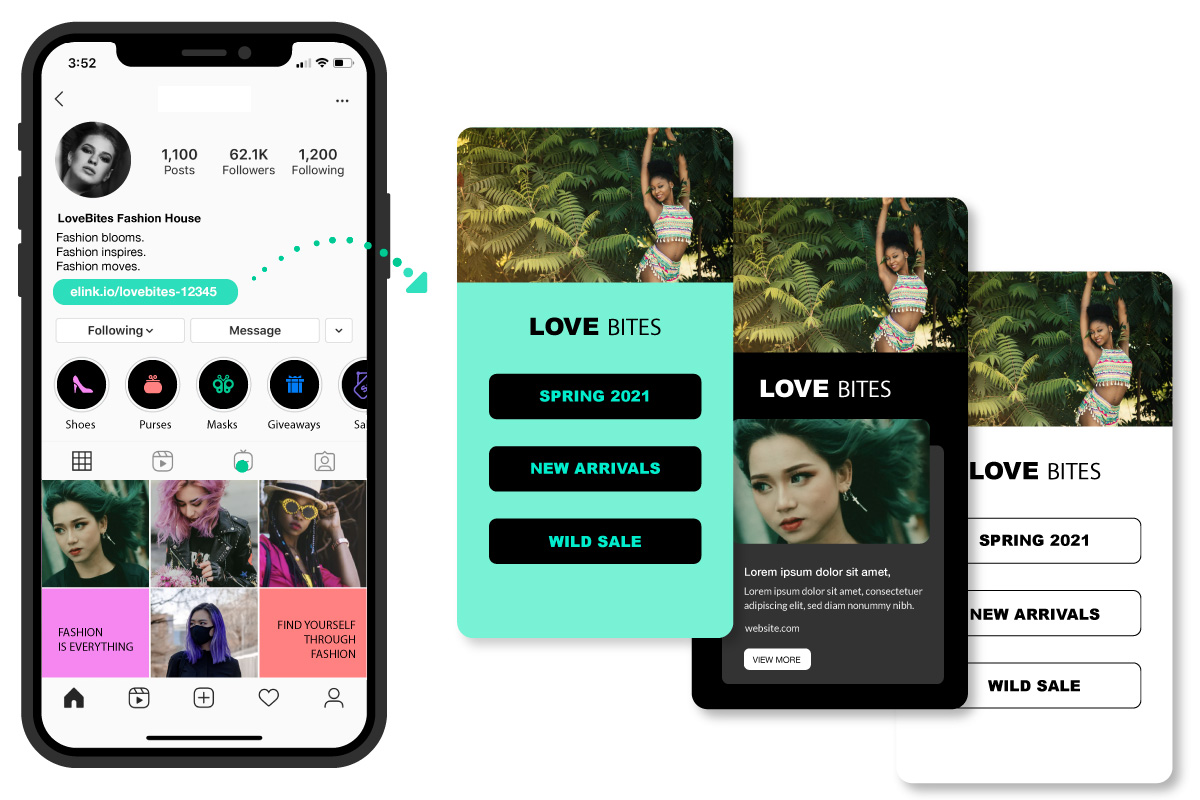
You run a social media campaign promoting a new product. By using a URL shortener with branded domains, you create concise links that users find trustworthy and appealing. Tracking metrics reveal that links shared on Instagram stories have a 20% higher CTR compared to unshortened links.
This data helps you allocate more budget to Instagram, improving ROI. Additionally, the short links fit better within character limits, making posts cleaner and more professional.
Case Study Scenario 2: Tracking Campaign Performance
In this scenario, you launch a multi-channel email and paid ad campaign. Using the best URL shortener for marketers with robust analytics, you tag each link to identify which channel drives the most conversions.
The data shows that email clicks convert at a higher rate, prompting you to increase email marketing efforts. You also spot geographic trends helping you customize future campaigns by region.
Top URL Shorteners in 2026 Compared
| URL Shortener | Key Features | Custom Branding | Analytics | Pricing |
|---|---|---|---|---|
| T-ME | Branded domains, real-time analytics, API integration | Yes | Advanced | Free & Premium Plans |
| Bitly | Link management, branded links, campaign reporting | Yes | Advanced | Free & Paid tiers |
| Rebrandly | Custom domains, detailed analytics, integrations | Yes | Advanced | Subscription-based |
| TinyURL | Quick shortening, basic stats, no branding | No | Basic | Free |
Implementation Tips for Using URL Shorteners Effectively
- Use Custom Branded Domains: Build trust and reinforce your brand with custom short links.
- Tag Links Properly: Use UTM parameters for precise campaign tracking in tools like Google Analytics (Investopedia on Google Analytics).
- Monitor Link Performance: Regularly analyze click data to optimize marketing channels.
- Secure Your Links: Utilize SSL and anti-spam features to protect users.
- Avoid Overusing Shortened Links: Mix with full URLs to maintain brand transparency.
Potential Pitfalls and How to Avoid Them
While URL shorteners offer many benefits, some challenges exist:
- Link Rot: Some shorteners may deactivate links after a period. Choose providers with long-term reliability.
- Spam Filters: Overuse of shortened URLs can trigger spam warnings. Use branded domains to reduce this risk.
- Privacy Concerns: Ensure your tool complies with data protection laws to safeguard user information.
- Dependency: Avoid relying on a single service. Consider alternatives if your provider experiences downtime.
Key Takeaways
- The best url shortener for marketers enhances campaign efficiency through tracking and branding.
- Choosing the right tool depends on analytics, custom branding, integrations, and security.
- Case studies demonstrate measurable improvements in engagement and conversion rates.
- Use UTM tags and monitor link metrics regularly to optimize marketing strategies.
- Be mindful of potential risks like link rot and spam filters, and plan accordingly.
Conclusion
In 2026, leveraging the best url shortener for marketers is a smart strategy to improve your digital marketing results. Tools like T-ME provide powerful features that help you track, analyze, and optimize your campaigns efficiently. By applying the insights and tips shared here, you can enhance user experience, boost engagement, and increase conversion rates. Stay informed and adapt your approach to maintain a competitive edge in evolving marketing landscapes.
FAQs
How long does approval usually take?
Approval times vary depending on the URL shortener service and whether you are requesting a custom domain or premium features. Typically, basic accounts are activated immediately, while custom domain approvals may take from a few hours up to several business days.
How can I reduce the interest rate or total cost?
This question applies more to financial products, but in the context of marketing tools, you can reduce costs by choosing plans that fit your usage, avoiding unnecessary premium features, and exploring discounts or bundled services. Comparing providers like those listed on NerdWallet can help you find cost-effective options.
What are the common fees and hidden costs?
Common fees include subscription charges for premium analytics, branded domains, and API access. Hidden costs may arise from exceeding usage limits or additional charges for extra features. Always review the pricing details carefully before committing.
What is best url shortener for marketers and how does it work?
The best URL shortener for marketers is a tool that allows you to create shortened links with custom branding, track link performance in real-time, and integrate with marketing platforms. It works by redirecting users from a short link to the original URL while collecting click data for analysis.
What documents do I need?
Most URL shortener services do not require documents for basic accounts. For business or enterprise plans, you might need company verification documents or payment details to set up billing accounts.
What are the best alternatives to best url shortener for marketers?
Alternatives include Bitly, Rebrandly, TinyURL, and Ow.ly. Each offers different features and pricing structures. Review them to find the best fit for your marketing needs.
Is best url shortener for marketers a good idea in 2026?
Yes, using the best URL shortener remains a valuable marketing tactic in 2026. It streamlines link management, improves tracking accuracy, and enhances user experience, all critical in data-driven marketing.
What mistakes should I avoid?
Avoid overusing generic shorteners that lack branding, neglecting to track links properly with UTM parameters, ignoring security features, and relying solely on one shortener service. These missteps can reduce effectiveness and damage credibility.
For further inquiries, visit our About page or Contact us directly. Additional resources and tools can be found at related topics and authoritative sites like Investopedia.