.svg)


Table of Contents
- Introduction to QR Code Technology
- Common Mistakes to Avoid When Using QR Code
- Red Flags to Watch Out for with QR Code
- Security Considerations for QR Code
- Best Practices for Implementing QR Code
- Best Alternatives to QR Code
- QR Code vs Alternatives: A Comparison Table
- Key Takeaways
- FAQs
- Conclusion
Introduction to QR Code Technology
If you are exploring modern digital tools, the QR Code is an essential technology to understand in 2026. Originally developed for quick product scanning, its applications have expanded dramatically. You can use QR Codes in marketing, digital payments, authentication, and more, making it a versatile medium for data sharing. However, using QR Codes effectively requires knowing both their benefits and potential pitfalls.
Common Mistakes to Avoid When Using QR Code
When you integrate QR Code technology into your processes or marketing, avoid these frequent errors to ensure effectiveness and security.
- Poor or Inconsistent Placement: Placing QR Codes where they are hard to scan or easily damaged undermines their purpose.
- Not Testing QR Codes: Always test codes on different devices and apps to ensure compatibility.
- Ignoring Mobile Experience: The landing page or content should be mobile-friendly since most users scan via smartphones.
- Lack of Clear Call to Action: Without guiding users on what to expect, many may ignore the QR Code.
- Using Static Codes for Dynamic Content: If your content changes frequently, static QR Codes can mislead users.
Red Flags to Watch Out for with QR Code
Identifying red flags can protect you from scams or ineffective QR Code implementations:
- Suspicious or Unverified URLs: QR Codes can mask malicious links. Always verify the destination URL before scanning.
- Excessive Data Requirements: Be cautious if scanning a QR Code requests too many permissions or personal information.
- Lack of Branding or Context: QR Codes without context or brand association may indicate phishing attempts.
- Unsecured Payment Requests: Avoid QR Codes that prompt payments without secure authentication.
- Overuse or Spamming: Excessive QR Codes in ads or locations can dilute user trust and engagement.
Security Considerations for QR Code
Security is paramount when you use QR Codes, especially for financial transactions or sensitive data exchange. Follow these guidelines to protect yourself and your users.
- Use QR Code generators that offer encryption and tracking capabilities.
- Regularly update QR Code links and monitor for unauthorized changes.
- Educate users on verifying URLs and avoiding suspicious QR Codes.
- Incorporate multi-factor authentication where payments or personal data are involved.
Best Practices for Implementing QR Code
To maximize the benefits of QR Code technology, consider the following best practices:
- Ensure high contrast between the QR Code and background for easy scanning.
- Use dynamic QR Codes for content that changes, allowing link updates without reprinting.
- Provide a clear description or call to action near the QR Code.
- Optimize the landing page for mobile devices and fast loading times.
- Integrate analytics to track scans and user engagement.
Best Alternatives to QR Code
If QR Codes do not meet your needs or you want to explore other options, consider these alternatives:
- NFC Tags: Tap-to-connect technology that works without opening the camera app.
- Barcode Systems: Traditional linear barcodes still work well for inventory and point-of-sale.
- Augmented Reality (AR) Markers: Interactive and immersive, ideal for marketing campaigns.
- Short URLs: Simplified links that can be shared easily in print or online.
- Bluetooth Beacons: For proximity-based notifications and interactions.
QR Code vs Alternatives: A Comparison Table
| Technology | Ease of Use | Cost | Security | Use Cases |
|---|---|---|---|---|
| QR Code | High (Camera Scan) | Low | Medium | Marketing, Payments, Authentication |
| NFC Tags | Very High (Tap) | Medium | High | Contactless Payments, Access Control |
| Barcode | Medium | Low | Low | Retail, Inventory |
| AR Markers | Medium | High | Medium | Marketing, Entertainment |
| Short URLs | High | Low | Low | Digital Marketing, Social Media |
Key Takeaways
- The QR Code remains a powerful tool in 2026 but requires thoughtful implementation.
- Common mistakes like poor placement and ignoring mobile optimization reduce effectiveness.
- Red flags such as suspicious links and excessive permissions signal potential security risks.
- Security best practices include encryption, monitoring, and user education.
- Alternatives like NFC and AR markers may better suit specific use cases.
FAQs
How long does approval usually take?
Approval times depend on the context. For example, if you are using QR Codes for payment systems or marketing campaigns, approval from relevant platforms or regulatory bodies can range from a few hours to several days. Always check with your service provider or compliance team for specific timelines.
Is QR Code a good idea in 2026?
Yes, QR Code technology is still highly relevant in 2026 due to its ease of use, low cost, and versatility. However, you must apply it correctly and securely to avoid common pitfalls and maximize benefits.
How can I reduce the interest rate or total cost?
While QR Codes themselves do not involve interest rates, if you are integrating QR Code payments or financing options, reducing costs involves negotiating with providers, choosing lower-fee payment gateways, and avoiding hidden charges. For more financial guidance, visit Investopedia.
What mistakes should I avoid?
Avoid poor placement, untested codes, ignoring mobile optimization, lack of clear instructions, and using static codes for dynamic content. These mistakes can frustrate users and reduce the effectiveness of your QR Code campaigns.
What are the best alternatives to QR Code?
Alternatives include NFC tags, barcodes, AR markers, short URLs, and Bluetooth beacons. Each has unique advantages depending on your use case, cost considerations, and security needs.
What documents do I need?
For implementing QR Codes in business or payments, you may require documents such as business licenses, compliance certifications, or merchant agreements. Check with your payment processor or regulatory agency for exact requirements.
What are the common fees and hidden costs?
Common fees include setup charges, transaction fees, and subscription costs for dynamic QR Code services. Hidden costs may involve maintenance, analytics subscriptions, or security features. Review terms carefully before committing.
What is QR Code and how does it work?
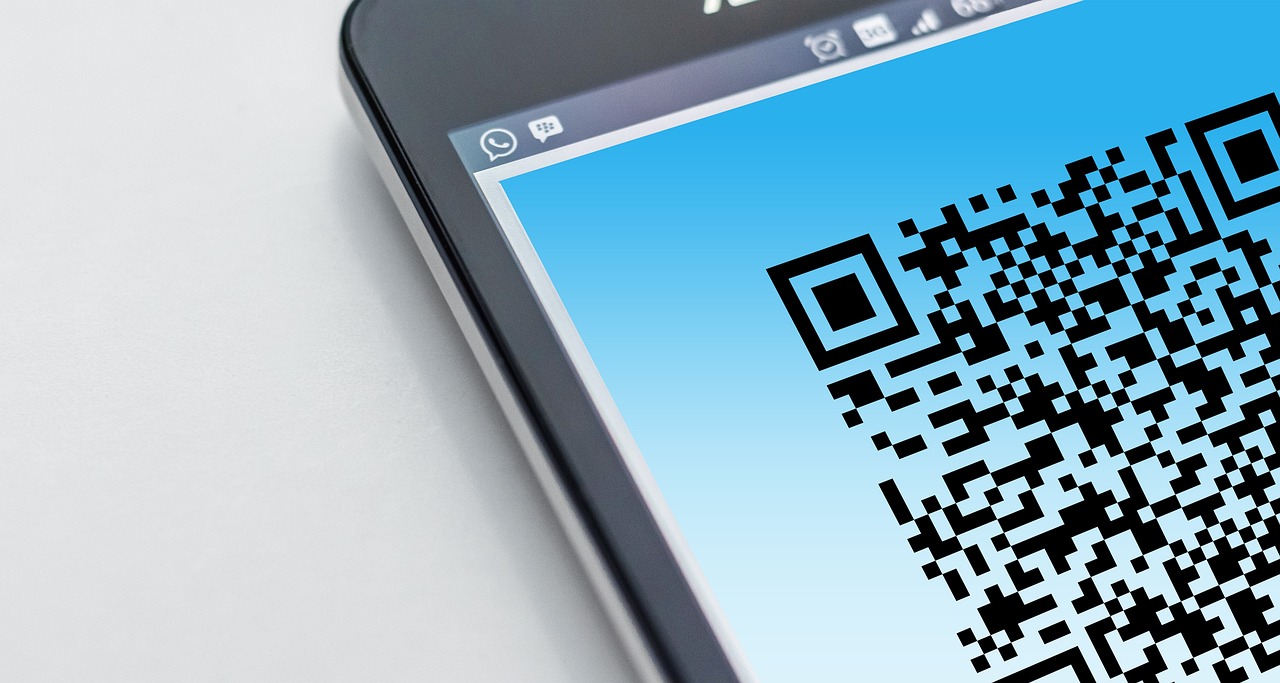
A QR Code (Quick Response Code) is a type of matrix barcode that stores information as a pattern of black squares on a white background. You scan it using a smartphone camera or scanner, which decodes the data, typically a URL or text, directing you to digital content quickly and conveniently.
Conclusion
By understanding the potential mistakes and red flags associated with QR Code use in 2026, you can leverage this tool effectively and securely. Always prioritize user experience, security, and clarity when deploying QR Codes in your projects. For more insights, visit Federal Reserve and explore our About and Contact pages for further assistance.