.svg)


Table of Contents
- Introduction to Bio Pages in Affiliate Marketing
- Benefits of Using Bio Pages for Affiliate Marketing
- Setting Up Your Bio Page: Step-by-Step
- Crafting Content for Maximum Engagement
- SEO Optimization for Your Bio Page
- Useful Tools and Resources
- Common Mistakes to Avoid
- Choosing the Right Affiliate Programs
- Affiliate Marketing Bio Page Checklist
- Key Takeaways
- Conclusion
- FAQs
Introduction to Bio Pages in Affiliate Marketing
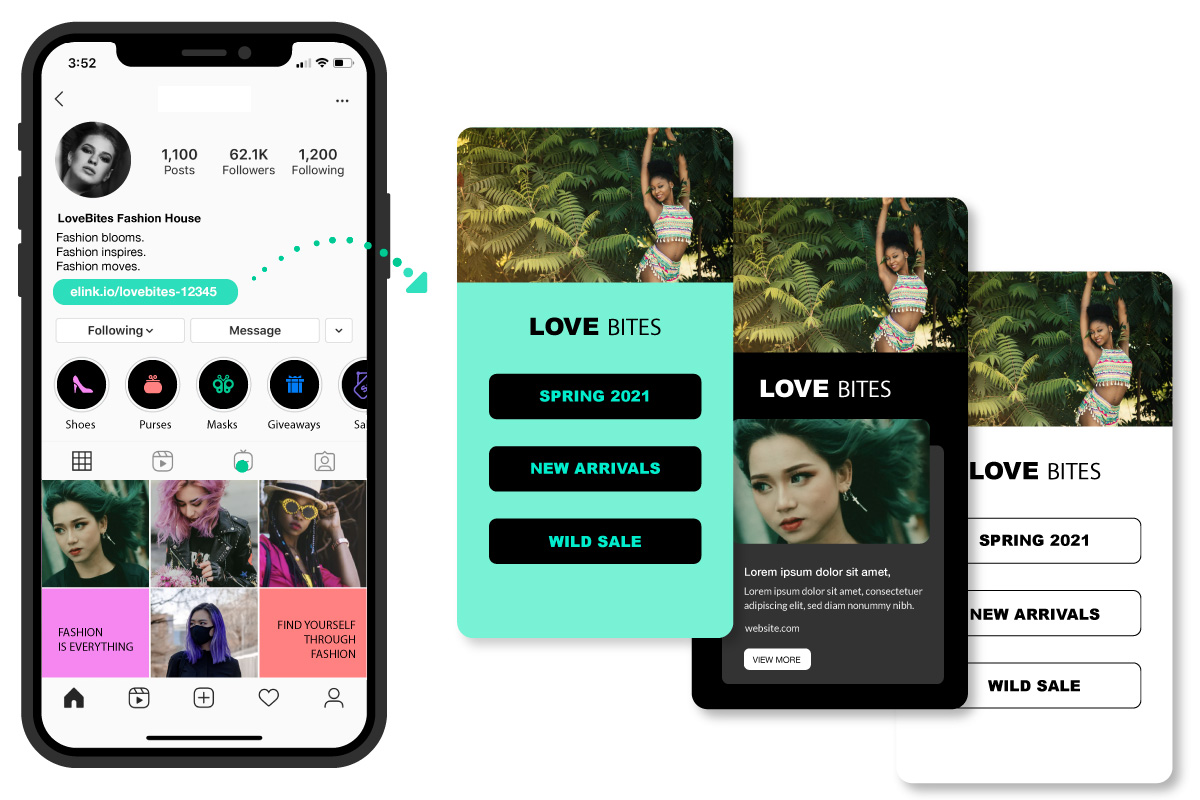
If you're wondering how to use bio pages for affiliate marketing, you're in the right place. In 2026, bio pages have become a vital tool for affiliate marketers to showcase their brand, engage audiences, and promote affiliate offers effectively. A bio page acts as a centralized profile that links all your social media accounts, websites, and affiliate links in one easy-to-navigate space.
This guide will walk you through the essentials of creating and optimizing bio pages to maximize your affiliate marketing success.
Benefits of Using Bio Pages for Affiliate Marketing
Using bio pages in affiliate marketing offers several advantages. First, they simplify user navigation by consolidating multiple links into one location. This reduces the risk of losing potential customers due to scattered content.
Second, bio pages enable you to track clicks and analyze user behavior, allowing for data-driven decisions. Third, they enhance your professional appearance and credibility, which is essential for building trust with your audience.
Why Bio Pages Matter in 2026
With the continued rise of mobile browsing and social media, bio pages offer a mobile-friendly, compact way to promote affiliate links, making them indispensable in your marketing arsenal.
Setting Up Your Bio Page: Step-by-Step
To start, choose a reliable bio page platform. Popular options include Linktree, Tap.bio, and bio.fm. These platforms offer customizable templates and analytics features.
- Create an Account: Register with your email and select a username that reflects your brand.
- Customize Your Profile: Add a profile photo, a compelling bio, and links to your social channels.
- Add Affiliate Links: Insert your affiliate URLs with clear, attractive call-to-action buttons.
- Organize Links: Prioritize high-converting links and group them logically to improve user experience.
- Publish and Share: Use your bio page link across social media profiles, email signatures, and other marketing materials.
Crafting Content for Maximum Engagement
Effective content on your bio page can drastically increase affiliate conversions. Your bio should be concise, highlighting your expertise and the value you offer.
Use engaging headlines for each affiliate link, explaining benefits in simple terms to encourage clicks. Incorporate testimonials or reviews if possible to build credibility.
Using Visuals
Images, icons, or videos relevant to your affiliate products can attract attention and make your bio page more appealing.
SEO Optimization for Your Bio Page
Optimizing your bio page for search engines is crucial if you want organic traffic. Include relevant keywords naturally, especially in your bio description and link titles.
For example, mention how to use bio pages for affiliate marketing in your page text where appropriate. Also, ensure your bio page loads quickly and is mobile-friendly to improve search rankings.
Link Building Strategies
Share your bio page link on forums, blogs, and social media platforms to increase backlinks and visibility.
Useful Tools and Resources
- Investopedia – For understanding affiliate marketing financial aspects.
- Federal Reserve – For insights on economic trends affecting online marketing.
- Affiliate Marketing Strategies – Internal resource placeholder.
- SEO Best Practices – Internal resource placeholder.
Common Mistakes to Avoid
Understanding what pitfalls to avoid will save you time and effort. Here are some common errors when learning how to use bio pages for affiliate marketing:
- Overloading the bio page with too many links, causing decision fatigue.
- Using generic or unclear call-to-actions that fail to entice clicks.
- Neglecting to update links regularly, leading to broken or outdated content.
- Ignoring mobile optimization, resulting in poor user experience.
Choosing the Right Affiliate Programs
Your bio page is only as good as the affiliate programs you promote. Select programs that align with your audience’s interests and offer competitive commissions.
Research programs thoroughly and consider product quality, payment terms, and support.
Comparison Table of Popular Affiliate Networks
| Affiliate Network | Commission Rate | Payment Frequency | Cookie Duration |
|---|---|---|---|
| Amazon Associates | 1%-10% | Monthly | 24 hours |
| ShareASale | 5%-30% | Monthly | 30 days |
| ClickBank | 10%-75% | Weekly/Monthly | 60 days |
| Commission Junction | 5%-20% | Monthly | 30 days |
Affiliate Marketing Bio Page Checklist
- Choose a bio page platform that suits your needs.
- Write a clear and engaging bio with relevant keywords.
- Add and organize affiliate links with descriptive titles.
- Include attractive call-to-action buttons.
- Optimize the page for SEO and mobile devices.
- Use visuals to enhance appeal.
- Regularly update links and monitor performance.
- Promote your bio page across social media and other channels.
Key Takeaways
- Bio pages provide a centralized hub for your affiliate marketing links.
- Effective bio pages improve user experience and increase conversions.
- SEO optimization and regular updates are critical to sustaining traffic.
- Choosing the right affiliate programs enhances your earning potential.
- Avoid common mistakes like clutter and poor mobile optimization.
Conclusion
Now that you know how to use bio pages for affiliate marketing, you have the tools to create an efficient and professional profile that attracts clicks and drives revenue. Remember to keep your bio page clear, updated, and optimized for both users and search engines. By following this beginner’s guide and checklist, you’ll be well on your way to affiliate marketing success in 2026.
For more information about our services, visit our About page or get in touch via our Contact page.
FAQs
What mistakes should I avoid?
Avoid overcrowding your bio page with too many links, using unclear call-to-action text, neglecting mobile optimization, and failing to keep links updated. These mistakes can reduce user engagement and conversions.
What are the best alternatives to how to use bio pages for affiliate marketing?
Alternatives include creating a dedicated landing page on your website, using social media shops or stories, and email marketing campaigns. Each has unique advantages depending on your audience and goals.
How do I qualify for how to use bio pages for affiliate marketing?
There is no formal qualification required. Anyone can create and use bio pages for affiliate marketing, but success depends on choosing the right programs, quality content, and effective promotion.
How can I reduce the interest rate or total cost?
This question is more relevant to finance products. In affiliate marketing, you can reduce costs by choosing free bio page platforms or those with affordable plans and optimizing your campaigns to improve conversion rates.
What is how to use bio pages for affiliate marketing and how does it work?
It involves creating a centralized online profile containing multiple affiliate links. When visitors click these links and make purchases, you earn commissions. Bio pages simplify link sharing and improve user navigation.
What are the common fees and hidden costs?
Most bio page platforms offer free plans with basic features. Premium plans may charge monthly fees for advanced customization, analytics, or removing platform branding. Always review pricing before committing.
What documents do I need?
You typically don’t need documents to create a bio page. However, some affiliate programs may require identification or tax forms to process payments.
How long does approval usually take?
Bio page accounts are usually approved instantly. Affiliate program approvals vary from immediate to several days or weeks, depending on the program’s policies.