.svg)

Table of Contents
- Introduction to How to Use Short Links for Marketing Campaigns
- What Are Short Links and How Do They Work?
- Benefits of Using Short Links in Marketing
- Step-by-Step Guide: How to Use Short Links for Marketing Campaigns
- Best Practices for Short Link Usage
- Popular Tools and Platforms for Short Links
- Comparison Table of Popular Short Link Services
- Key Takeaways
- FAQs on How to Use Short Links for Marketing Campaigns
- Conclusion
Introduction to How to Use Short Links for Marketing Campaigns
If you’re wondering how to use short links for marketing campaigns, you’ve come to the right place. Short links are a powerful tool in digital marketing that help you streamline your URLs, track user engagement, and optimize your outreach strategies. In this article, you will learn the fundamentals, advantages, and practical steps to incorporate short links into your marketing efforts effectively in 2026.
What Are Short Links and How Do They Work?
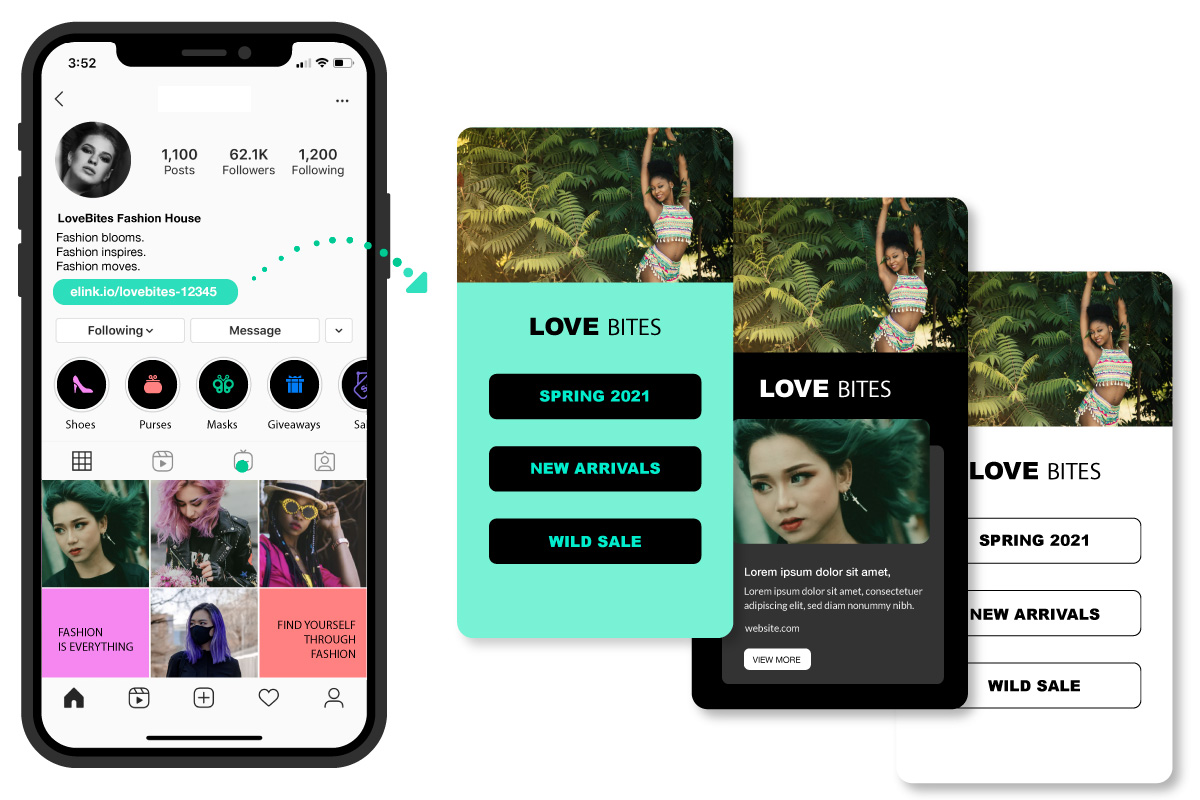
Short links, also known as URL shorteners, are condensed versions of long web addresses. They redirect users to the original, longer URL but use fewer characters, making them easier to share and remember. This is particularly useful in marketing when you want to present clean, clickable links on social media, print materials, or advertisements.
These links work by using a redirect system where the short URL points to the destination URL behind the scenes. When someone clicks the short link, they are automatically taken to the intended page.
Benefits of Using Short Links in Marketing
Using short links for marketing campaigns offers multiple advantages that can enhance your campaign’s performance and tracking capabilities. Here are some key benefits:
- Improved aesthetics: Short links look cleaner and more professional across platforms.
- Better tracking: You can track clicks, user locations, devices, and referral sources.
- Easier sharing: Short links are ideal for social media, SMS, and printed marketing materials.
- Enhanced branding: Custom short domains allow for brand recognition and trust.
- Increased user engagement: Clear, concise links encourage more clicks.
Step-by-Step Guide: How to Use Short Links for Marketing Campaigns
To successfully implement short links in your marketing, follow these steps:
- Choose a reliable URL shortening service. Look for features like analytics, custom domains, and integration options.
- Create your short link. Paste the original URL into the shortening tool and generate a new short URL.
- Customize the link. If possible, modify the slug to something memorable or brand-related.
- Embed the short link. Use it in your marketing channels, including social media, emails, and ads.
- Monitor performance. Track click-through rates and user behavior using the tool’s analytics dashboard.
- Adjust and optimize. Use data insights to refine your campaign and improve targeting.
Best Practices for Short Link Usage
Ensure you maximize the benefits of short links by following these best practices:
- Always use branded short links when possible to increase user trust.
- Keep URLs clear and descriptive to improve click-through rates.
- Test links regularly to avoid broken redirects.
- Combine short links with UTM parameters for detailed campaign tracking.
- Respect user privacy and comply with data regulations when tracking.
Popular Tools and Platforms for Short Links
Several platforms provide URL shortening services suitable for marketing campaigns. Some popular choices include:
- Bitly
- TinyURL
- Rebrandly
- Ow.ly (by Hootsuite)
- T-ME (a notable option in 2026 with advanced analytics and customization)
Choosing the right platform depends on your specific needs, such as branding, analytics, or integration with other marketing tools.
Comparison Table of Popular Short Link Services
| Service | Custom Domains | Analytics | Integration Options | Pricing Model |
|---|---|---|---|---|
| Bitly | Yes | Comprehensive | API, CRM, Social Media | Free & Paid Plans |
| TinyURL | No | Basic | Limited | Free |
| Rebrandly | Yes | Detailed | API, Webhooks | Free & Paid Plans |
| Ow.ly | No | Integrated with Hootsuite | Social Media Management | Paid (Hootsuite Subscription) |
| T-ME | Yes | Advanced | API, CRM, Marketing Platforms | Competitive Pricing |
Key Takeaways
- Short links simplify complex URLs, making them easier to share and more appealing.
- They provide valuable tracking data to optimize marketing campaigns.
- Choosing the right URL shortening tool is critical for branding and analytics.
- Integrate short links with marketing strategies to enhance engagement and conversions.
- Stay updated on best practices and privacy compliance when using tracking features.
FAQs on How to Use Short Links for Marketing Campaigns
What are the common fees and hidden costs?
Most URL shortening services offer free tiers with basic features, but advanced options such as custom domains, in-depth analytics, and API access often require paid subscriptions. Hidden costs may include fees for exceeding click limits or additional users. Always review the pricing details before committing.
What are the best alternatives to how to use short links for marketing campaigns?
If you prefer not to use short links, alternatives include QR codes, direct links with UTM parameters, or branded landing pages. However, short links remain one of the most versatile and user-friendly options for campaign tracking and engagement.
How long does approval usually take?
For most short link services, approval is immediate upon account creation. However, if you request custom domains or branded links, setup and verification may take from a few hours to a couple of days.
What documents do I need?
Typically, you don’t need documents to start using short link services. For business accounts or custom domain verification, you might be asked for proof of ownership or business credentials.
What is how to use short links for marketing campaigns and how does it work?
"How to use short links for marketing campaigns" refers to the process of creating and deploying shortened URLs within your marketing activities. This technique works by converting long URLs into concise links that redirect users while enabling tracking and analytics to measure campaign success.
Is how to use short links for marketing campaigns a good idea in 2026?
Yes, using short links is highly effective in 2026. With digital marketing evolving, short links remain a key tool for enhancing user experience, tracking engagement, and optimizing campaigns across multiple channels.
How can I reduce the interest rate or total cost?
This question is more relevant to financial products. For marketing campaigns, consider optimizing your short link service plan by selecting tier options that match your needs and avoiding unnecessary add-ons. Regularly review your plan to prevent overspending.
How do I qualify for how to use short links for marketing campaigns?
Anyone can qualify to use short links for marketing campaigns. Simply sign up with a URL shortening service and start creating short links. For advanced features, you may need to meet criteria like business verification or minimum subscription levels.
Conclusion
Understanding how to use short links for marketing campaigns is essential for any marketer aiming to improve engagement, track results, and present a professional brand image. By selecting suitable tools, following best practices, and leveraging analytics, you can maximize your marketing effectiveness in 2026. For more insights, explore our About page or reach out via Contact. Additionally, authoritative resources like the Federal Reserve and the Consumer Financial Protection Bureau provide valuable information on digital marketing regulations and consumer protection.